
Insurance You Should Consider: 10 Types of Coverage That Could Save You Thousands


When people think about insurance, they usually think of health insurance, auto insurance, homeowners insurance, or life insurance. These are the most common types of coverage, and for good reason—they protect some of the biggest financial risks we face.
However, there are many other types of insurance that often go unnoticed. While they may not be necessary for everyone, these lesser-known insurance policies can provide valuable financial protection in situations that many people never expect. A single unexpected event can lead to expensive repairs, legal costs, lost income, or replacement expenses that could have been avoided with the right coverage.
The reality is that life is full of surprises. Whether it's a flooded basement, a damaged identity, an expensive pet surgery, or the cancellation of a dream vacation, uncommon insurance policies are designed to protect against risks that traditional insurance may not fully cover.
In this guide, we'll explore several uncommon types of insurance, explain how they work, who should consider them, and why they might be worth adding to your financial safety net.
Why Consider Uncommon Insurance?
Insurance exists to protect you from financial loss. While standard policies cover many common risks, they don't cover everything. Many people assume they are fully protected until they experience a situation that falls outside their existing policy.
For example:
A homeowner discovers that sewer backup damage isn't covered.
A traveler loses thousands when a family emergency forces them to cancel a vacation.
A freelancer becomes unable to work after an illness and loses months of income.
A pet owner faces a $7,000 emergency surgery bill.
In each of these cases, a specialized insurance policy could significantly reduce the financial burden.
The goal isn't to buy every available policy—it's to identify the risks that are most relevant to your lifestyle.
1. Identity Theft Insurance
Identity theft has become one of the fastest-growing financial crimes. Criminals can steal your personal information to open credit cards, apply for loans, file fraudulent tax returns, or even commit crimes using your identity.
While identity theft insurance won't reimburse stolen money in every situation, it often covers the expenses involved in recovering your identity.
Coverage may include:
Legal fees
Lost wages from taking time off work
Credit monitoring services
Identity restoration specialists
Document replacement costs
Fraud resolution assistance
Many people mistakenly believe their bank will handle everything after identity theft. Although banks often reverse fraudulent charges, restoring your identity can take months and involve numerous phone calls, paperwork, and legal documentation.
Who should consider it?
Frequent online shoppers
People who bank online
Individuals with multiple credit accounts
Seniors
Anyone concerned about cybercrime
2. Pet Insurance
Pets are family members, but veterinary care has become increasingly expensive.
A routine checkup may cost only a few hundred dollars, but emergency surgeries, cancer treatments, broken bones, or chronic illnesses can cost several thousand dollars.
Pet insurance helps cover eligible veterinary expenses, depending on the policy.
Common coverage includes:
Emergency surgery
Hospital stays
Diagnostic testing
X-rays
Medications
Cancer treatment
Accidents
Illnesses
Some plans even include:
Wellness visits
Vaccinations
Dental cleaning
Preventive care
Pet insurance is especially valuable for young pets since premiums are often lower before health problems develop.
3. Travel Insurance
Many travelers skip travel insurance because they assume nothing will go wrong.
Unfortunately, travel plans can change quickly.
Travel insurance may cover:
Trip cancellation
Trip interruption
Medical emergencies abroad
Emergency evacuation
Lost luggage
Flight delays
Missed connections
Imagine spending $8,000 on an international vacation only to cancel due to illness a week before departure. Without travel insurance, you could lose much of that investment.
Travel insurance can also be extremely valuable when visiting countries where your regular health insurance offers little or no medical coverage.
4. Umbrella Insurance
Most people never expect to be sued, but lawsuits happen more often than many realize.
Umbrella insurance provides extra liability coverage beyond the limits of your homeowners, renters, or auto insurance.
For example:
Suppose you cause a serious car accident.
Your auto insurance covers up to $300,000.
The injured party sues for $900,000.
Without umbrella insurance, you may have to pay the remaining $600,000 yourself.
Umbrella insurance helps protect:
Savings
Investments
Future income
Property
Retirement assets
It also commonly covers:
Personal injury lawsuits
Defamation
Slander
Libel
Certain legal defense costs
Umbrella insurance is often surprisingly affordable considering the protection it provides.
5. Flood Insurance
Many homeowners assume flood damage is covered under their homeowners insurance.
In most cases, it isn't.
Flood insurance specifically protects against damage caused by rising water.
It may cover:
Structural damage
Electrical systems
Plumbing
Flooring
Appliances
Furniture
Personal belongings
Flooding doesn't only happen near rivers or oceans.
Heavy rainfall, clogged drainage systems, melting snow, and flash floods can all damage homes in areas considered low risk.
Even a few inches of water can cause tens of thousands of dollars in damage.
Homeowners should understand exactly what their existing policy excludes before assuming they have flood protection.
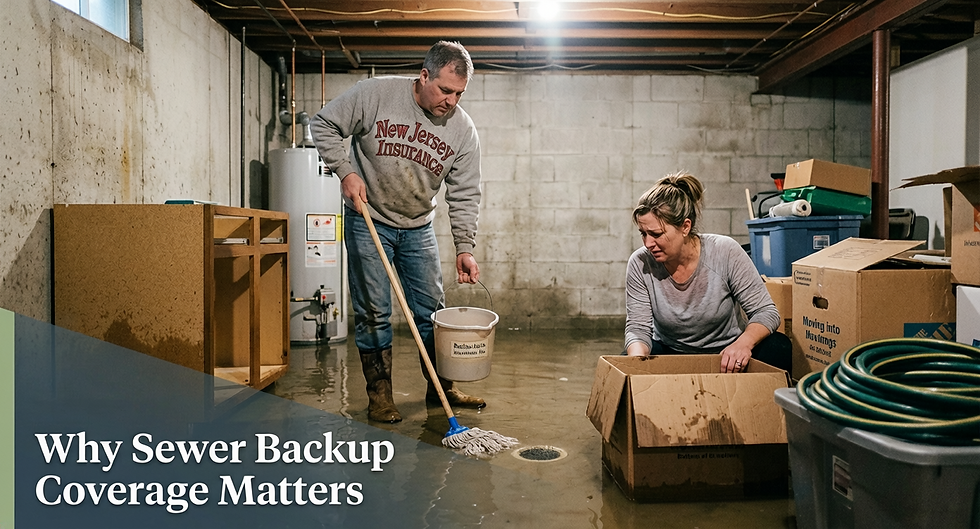
6. Sewer Backup Insurance
One of the most unpleasant and expensive home disasters is a sewer backup.
A clogged municipal sewer line or damaged drain can force contaminated water back into your home.
Cleanup often involves:
Removing flooring
Replacing drywall
Sanitizing affected areas
Replacing furniture
Mold prevention
Repair costs can easily reach thousands of dollars.
Many homeowners policies exclude sewer backup damage unless additional coverage is purchased.
If your home has:
A finished basement
Older plumbing
Large trees near sewer lines
Heavy rainfall in your area
This coverage may be worth considering.
7. Equipment Breakdown Insurance
Modern homes depend on expensive appliances and mechanical systems.
Think about:
Air conditioning
Heating systems
Water heaters
Refrigerators
Electrical panels
Washers
Dryers
When these systems suddenly fail because of electrical or mechanical breakdowns, repairs can become costly.
Equipment breakdown insurance often covers repairs or replacement due to mechanical failure rather than normal wear and tear.
Without this coverage, homeowners may need to pay several thousand dollars out of pocket.
8. Disability Insurance
Your greatest financial asset is often your ability to earn income.
Yet many people insure their homes, cars, and electronics while overlooking the paycheck that pays for them.
Disability insurance replaces part of your income if illness or injury prevents you from working.
There are two common types:
Short-term disability
Typically covers several weeks or months after an injury or illness.
Long-term disability
Can replace income for years or even until retirement, depending on the policy.
Disability insurance can help cover:
Mortgage payments
Rent
Utility bills
Groceries
Loan payments
Medical expenses
Freelancers, self-employed workers, and individuals without employer-provided disability benefits should especially consider this type of protection.
9. Jewelry Insurance
A standard homeowners or renters insurance policy may offer only limited protection for expensive jewelry.
If you own:
Engagement rings
Wedding rings
Luxury watches
Family heirlooms
High-value necklaces
Designer bracelets
Jewelry insurance may provide better coverage against:
Theft
Loss
Damage
Accidental disappearance
For example, losing a diamond ring while traveling may not be fully covered under a standard homeowners policy because of policy limits or deductibles.
A separate jewelry policy can often provide broader protection.
10. Cyber Insurance for Individuals
Businesses aren't the only targets of cybercrime.
Individuals increasingly face:
Ransomware attacks
Online scams
Data breaches
Social media account theft
Financial fraud
Cyber extortion
Personal cyber insurance is becoming more common.
Coverage may include:
Identity restoration
Cyber extortion payments
Data recovery
Legal expenses
Professional technical support
Financial loss reimbursement (subject to policy terms)
As more aspects of daily life move online, this coverage may become increasingly valuable.
11. Wedding Insurance
Planning a wedding often involves thousands—or even tens of thousands—of dollars in deposits for venues, caterers, photographers, florists, musicians, and more. If something unexpected disrupts your big day, wedding insurance can help reduce the financial impact.
Wedding insurance may cover:
Vendor cancellations
Severe weather disruptions
Damage to wedding attire
Lost or damaged rings (depending on the policy)
Venue issues
Liability for accidents during the event
For example, if your reception venue unexpectedly closes due to a fire just days before the wedding, a wedding insurance policy may help cover additional costs associated with rescheduling or securing a new venue.
This type of insurance is especially valuable for couples making significant financial investments in their celebration.
12. Rental Car Insurance
Many drivers assume their personal auto insurance automatically covers rental vehicles. While it often provides some level of protection, coverage can vary depending on your policy, the type of rental vehicle, and where you're traveling.
Rental car insurance offered by rental companies may include:
Collision damage coverage
Liability protection
Personal accident coverage
Personal belongings coverage
Before declining rental car insurance, review your personal auto policy and any benefits provided by your credit card. Understanding what is and isn't covered can help you avoid unexpected expenses if the rental vehicle is damaged or stolen.
13. Collectibles Insurance
Collections can represent years of passion and significant financial value. Unfortunately, standard homeowners insurance policies often limit coverage for collectibles.
Items that may benefit from specialized insurance include:
Rare coins
Sports memorabilia
Comic books
Fine art
Stamps
Vintage toys
Antique furniture
Trading cards
Collectibles insurance may cover damage, theft, accidental loss, and, in some cases, appreciation in value if supported by updated appraisals.
Owners of valuable collections should maintain detailed inventories, photographs, and professional appraisals to simplify the claims process.
14. Event Insurance
Not every event is a wedding. Birthday parties, family reunions, corporate gatherings, charity fundraisers, and community events can also involve significant financial commitments.
Event insurance may provide protection for:
Event cancellation
Property damage
Liability claims
Vendor no-shows
Weather-related interruptions
If you're organizing a large event with rented equipment or a rented venue, event insurance can provide peace of mind if unexpected problems arise.
15. Home Business Insurance
More people than ever operate businesses from home. Whether you're selling handmade products online, offering consulting services, tutoring students, or running a freelance business, your homeowners insurance may not adequately cover business-related property or liability.
Home business insurance may protect:
Business equipment
Inventory
Client-related liability
Lost business income after a covered event
Business records
For example, if expensive computer equipment used for your business is stolen or damaged, your homeowners policy may limit or exclude coverage because the property is used for commercial purposes.
A dedicated home business policy or endorsement can help close those coverage gaps.
How to Decide If You Need Uncommon Insurance
Not every specialized insurance policy makes sense for every person. The key is evaluating your own financial situation, lifestyle, and level of risk.
Ask yourself questions such as:
Would I be able to afford this loss out of pocket?
Does my existing insurance already cover this risk?
How likely is this event to happen?
Would the financial impact be significant if it did occur?
Is the premium reasonable compared to the protection offered?
For example, someone who rarely travels may not need travel insurance every year, while someone who takes multiple international trips annually could benefit greatly from purchasing coverage.
Similarly, pet insurance may be worthwhile for owners of young pets, while flood insurance may be especially important for homeowners living in areas with a history of flooding or heavy rainfall.
Tips for Choosing Specialized Insurance
If you're thinking about purchasing one of these policies, keep these best practices in mind:
Review your current policies first. Some protections may already be included or available as optional endorsements.
Read exclusions carefully. Every insurance policy has situations that aren't covered.
Compare multiple quotes. Coverage, deductibles, and premiums can vary significantly between insurers.
Choose deductibles wisely. A higher deductible usually lowers your premium but increases your out-of-pocket costs if you file a claim.
Update your coverage regularly. As your finances, possessions, and lifestyle change, your insurance needs may also change.
Keep documentation organized. Save receipts, photos, appraisals, and important records for valuable property.
Taking time to understand your options can help you choose coverage that fits both your needs and your budget.
Final Thoughts
Most people focus on the major insurance policies they know they need, such as health, auto, homeowners, renters, and life insurance. While these remain essential, they don't protect against every financial risk.
Uncommon insurance policies can fill important gaps that standard coverage often leaves behind. Whether it's protecting your income through disability insurance, safeguarding your identity from cybercriminals, covering expensive veterinary bills with pet insurance, or adding an extra layer of liability protection through umbrella insurance, these specialized policies can provide valuable peace of mind.
That doesn't mean everyone should purchase every type of coverage discussed in this article. Instead, think about your personal circumstances, the value of the assets you're protecting, and the financial impact an unexpected event could have on your life.
Insurance works best when it matches your unique risks. By reviewing your current policies, identifying potential coverage gaps, and exploring lesser-known insurance options, you can make more informed decisions and strengthen your overall financial protection. The right specialized policy may never be needed—but if the unexpected happens, it could save you thousands of dollars and help you recover more quickly with far less financial stress.


Comments